

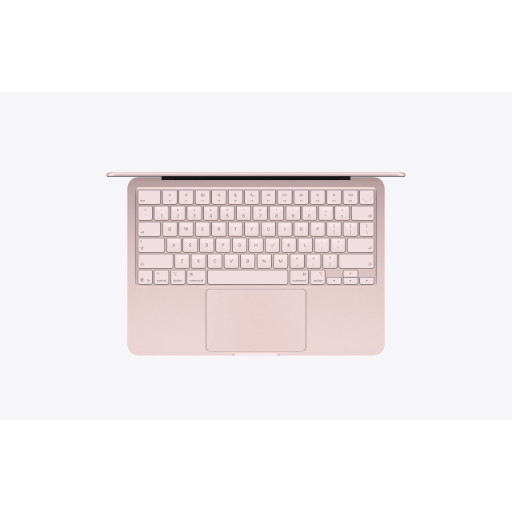
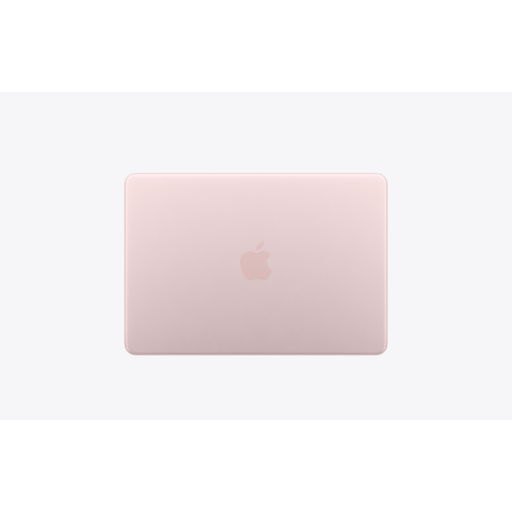
Apple MacBook Neo 13″ A18 Pro Chip, 8GB Unified Memory, 512GB SSD, Liquid Retina Display, Blush (MHFJ4HN/A)
Focus Keyphrase: Apple MacBook Neo 13 A18 Pro 8GB 512GB Liquid Retina Blush Budget Entry-Level macOS Meta Description: Apple MacBook Neo 13-inch A18 Pro chip, 6-core CPU, 5-core GPU, 8GB unified memory, 512GB SSD, Liquid Retina display, Blush color-coordinated keyboard, 16-hour battery, macOS. Affordable Mac for students. Nairobi delivery.
Cost-conscious students and everyday users increasingly prioritize ultra-affordable entry-tier MacBook — they accept mobile-tier processor architecture (A18 Pro, not M-series professional chips) in exchange for surprising budget pricing (dramatically lower than MacBook Air), elegant color-coordinated design (4 beautiful colors including Blush), genuine all-day battery (16 hours), lightweight ultraportable design, Apple Intelligence AI capabilities (16-core Neural Engine, on-device processing), macOS ecosystem access (Handoff, Continuity, iCloud), durable recycled aluminum construction (60% recycled content, most of any Apple product), and entry-point positioning to Mac ecosystem. The Apple MacBook Neo 13″ (MHFJ4HN/A, Blush) delivers exactly this ultra-affordable entry-tier value proposition by combining current-generation A18 Pro chip (6-core CPU with 2 performance + 4 efficiency cores, 5-core GPU, 16-core Neural Engine, hardware-accelerated ray tracing), 8GB unified memory, 512GB SSD (adequate storage for students), 13″ Liquid Retina display (2408×1506, 500 nits, 1 billion colors), Blush premium minimalist aesthetic (color-coordinated keyboard), up to 16 hours battery (all-day capability), Wi-Fi 6E + Bluetooth 6, Touch ID security, USB-C charging, macOS ecosystem, durable recycled aluminum, and genuine budget-friendly positioning at student-appropriate entry-tier pricing.
Powered by the Apple A18 Pro chip (current-generation, Early 2026 release), a mobile-optimized integrated processor combining 6-core CPU (2 performance super-cores + 4 efficiency cores for thermal-optimized everyday computing), 5-core GPU (consumer-grade graphics acceleration, adequate for everyday tasks and light creative work), 16-core Neural Engine (hardware-accelerated machine learning, on-device Apple Intelligence), hardware-accelerated ray tracing, and 60GB/s memory bandwidth, this device delivers capable everyday computing for students, basic professionals, casual users, and first-time Mac users — intentionally entry-tier architecture emphasizing affordability and all-day battery over professional performance. Combined with 8GB unified memory (shared GPU/CPU; adequate for everyday multitasking), and 512GB SSD (practical student-appropriate storage; ~350–400GB usable), this configuration enables responsive everyday computing for Nairobi-based university students, high school learners, everyday users, first-time Mac buyers, and budget-conscious individuals who prioritize ultra-affordable entry-tier pricing (surprising budget vs. MacBook Air), lightweight ultraportable design (highly portable for students), Blush elegant aesthetic (color-coordinated keyboard, premium minimalist appearance), 16-hour all-day battery (breakfast to midnight study sessions), Apple Intelligence AI (on-device privacy-first), macOS ecosystem (Handoff, Continuity, iCloud), durable recycled construction, and entry-point Mac access without professional performance expectations or MacBook Air cost.
The 13″ Liquid Retina display (2408×1506 native resolution, 500 nits brightness, 1 billion colors, IPS technology) provides excellent everyday clarity and color — optimal for web browsing, document work, video streaming, photo viewing, and casual content consumption — appropriate for student productivity and entertainment. The display resolution (2408×1506) is optimized for everyday use (higher than MacBook Air 13.6″ despite smaller physical size, indicating pixel density).
Critical budget positioning: The MacBook Neo represents Apple’s most affordable MacBook, positioned below MacBook Air in the product hierarchy. This is intentional entry-tier positioning for budget-conscious students, casual users, and first-time Mac buyers. The A18 Pro mobile chip (not M-series professional architecture) enables this pricing while maintaining genuine all-day capability (16 hours battery).
Critical differentiation from MacBook Air:
- A18 Pro mobile chip (6-core) vs. M2/M5 desktop-class chips (8–10 core) — approximately 30–50% slower; entry-tier performance
- 5-core GPU vs. M2 10-core GPU — basic consumer graphics
- Only 2 USB-C ports (one USB 2.0, one USB 3.2 Gen 1) vs. Thunderbolt 4 on Air — no high-speed professional data transfer, no external display support, limited docking
- 20W USB-C charger vs. 30W+ on Air — slower charging capability
- 36.5Wh battery vs. 52Wh on Air — smaller battery, yet achieves similar battery life through efficiency
- No MagSafe — traditional USB-C charging without magnetic convenience
- Ultra-affordable pricing — dramatic cost savings vs. Air
- Lighter weight — improved portability vs. Air
Critical everyday positioning: The MacBook Neo is optimized for everyday productivity (email, documents, web, streaming, basic creative consumption) — NOT for professional creative work, development, or intensive applications. This is honest entry-tier positioning, not compromised professional hardware.
Critical student positioning: The 4 beautiful colors (Silver, Blush, Citrus, Indigo) with color-coordinated keyboards appeal to student aesthetic preferences. The Blush finish (warm, minimalist, premium-appearing) attracts students wanting stylish, personal computing without premium cost.
Critical Apple Intelligence positioning: The 16-core Neural Engine enables on-device Apple Intelligence — writing tools, image generation, personal context awareness — all processed locally without cloud transmission, without data sharing with Apple or third parties. This is privacy-first AI for students concerned about personal data.
Critical sustainability positioning: The 60% recycled content (most of any Apple product) and durable aluminum construction appeal to environmentally-conscious students and users — genuine sustainability positioning beyond marketing claims.
Critical battery positioning: Up to 16 hours video streaming enables complete student day — breakfast classes through midnight study sessions — without charging anxiety. The 36.5Wh battery with A18 Pro efficiency achieves this capability.
Critical entry-level but genuine positioning: This is NOT a compromised or limited device. It’s an honest entry-tier product designed for everyday use with appropriate processor tier, realistic performance expectations, and corresponding affordability. Students should expect everyday responsiveness (web, documents, media, light creative work) — NOT professional creative performance or gaming capability.
As a result, this configuration represents genuine ultra-affordable entry-tier MacBook value for students, first-time Mac users, casual everyday users, and budget-conscious individuals prioritizing surprising budget pricing, lightweight ultraportable design, Blush elegant aesthetic (student-appealing colors), 16-hour all-day battery, Apple Intelligence on-device AI (privacy-first), macOS ecosystem access, durable recycled sustainability, and entry-point Mac experience without professional performance expectations, professional-tier cost, or technical complexity.
Critical Flags:
- Apple A18 Pro (current-generation mobile chip) — Optimized for mobile/portable computing; approximately 30–50% slower than MacBook Air M2/M5; entry-tier performance intentional
- 6-core CPU (vs. 8–10 core on Air/Pro) — Basic performance for everyday tasks; NOT for professional creative/development work
- 5-core GPU (vs. 10-core M2/M5 Air) — Consumer-grade graphics; adequate for everyday content; NOT for gaming or intensive GPU work
- 8GB unified memory — Adequate for everyday multitasking (web, documents, email, streaming); NOT for power users or sustained heavy multitasking
- 512GB SSD — Practical student-appropriate storage (~350–400GB usable); adequate for documents, photos, music; requires cloud storage or external drive for large media libraries
- Only 2 USB-C ports (one USB 2.0, one USB 3.2 Gen 1) — Limited connectivity; no Thunderbolt 4, no external display support, no high-speed docking
- 13″ Liquid Retina display (2408×1506, 500 nits) — Excellent everyday clarity and color; NOT professional-grade or wide-gamut reference display
- 16 hours battery (video streaming); 11 hours web — Exceptional all-day capability for students
- Wi-Fi 6E + Bluetooth 6 — Contemporary wireless standards (Wi-Fi 6E cutting-edge for this price tier)
- Touch ID — Biometric security standard on entry-tier Mac
- No MagSafe — Traditional USB-C charging (not Apple’s premium charging connector)
- 20W USB-C charger — Standard entry-tier charging speed (slower than Air/Pro)
- Blush aesthetic (color-coordinated keyboard) — Student-appealing design; 4 color options available
- 60% recycled aluminum — Sustainability focus; most recycled content of any Apple product
- Apple Intelligence (on-device AI) — Privacy-first writing tools, image generation, personal context; 16-core Neural Engine
- Entry-level but honest positioning — Appropriate processor tier for student/everyday use; realistic performance expectations; corresponding affordability
- NOT for creative professionals — A18 Pro adequate for photo viewing/light editing; NOT for professional photo editing, video, or design
- NOT for developers — Adequate for coding education; NOT for professional software development with heavy IDE/compilation workloads
- NOT for gaming — 5-core GPU NOT gaming-optimized; can run Apple Arcade games but NOT intensive 3D gaming
Key Features
Overall, five specifications define this ultra-affordable entry-tier configuration:
- Apple A18 Pro (6-core CPU with 2 performance + 4 efficiency cores, 5-core GPU, 16-core Neural Engine, hardware ray tracing) — current-generation mobile-optimized chip; entry-tier performance for everyday use
- 8GB unified memory — Adequate for everyday multitasking; tight for power users
- 512GB SSD — Practical student storage (~350–400GB usable); adequate for documents/photos/music
- 13″ Liquid Retina display (2408×1506, 500 nits, 1 billion colors) — Excellent everyday clarity for web/documents/content
- Blush color-coordinated aesthetic + up to 16 hours battery + Wi-Fi 6E + Bluetooth 6 + Touch ID + Apple Intelligence (on-device AI) + macOS ecosystem + 60% recycled aluminum + lightweight ultraportable design — all-day student computing with privacy-first AI and sustainable design
Technical Specifications
| Category | Specification |
|---|---|
| Operating System | macOS (current version; automatic updates) |
| Processor | Apple A18 Pro chip (6-core CPU: 2 performance cores + 4 efficiency cores, 5-core GPU, 16-core Neural Engine, hardware-accelerated ray tracing, 60GB/s memory bandwidth) |
| Neural Engine | 16-core Neural Engine (machine learning acceleration, on-device Apple Intelligence, privacy-first AI) |
| GPU | 5-core GPU (consumer-grade graphics; adequate for everyday content, light creative viewing, streaming; NOT for gaming or intensive GPU work) |
| Graphics Capabilities | Hardware-accelerated H.264, HEVC, ProRes, ProRes RAW decode; ProRes/ProRes RAW encode; AV1 decode; Metal GPU acceleration for everyday apps |
| Memory | 8GB unified memory (LPDDR5, shared GPU/CPU architecture; adequate for everyday multitasking; NOT upgradeable) |
| Storage | 512GB NVMe SSD (~350–400GB usable; practical student storage; upgradeable via external USB-C SSD only) |
| Display | 13″ Liquid Retina (LED-backlit IPS), 2408×1506 native resolution, 219 pixels per inch, 500 nits brightness, 1 billion colors, sRGB color gamut, True Tone ambient adaptation |
| Color | Blush (warm, premium minimalist finish; color-coordinated keyboard; also available in Silver, Citrus, Indigo) |
| Connectivity | 2x USB-C ports (1x USB 2.0, 1x USB 3.2 Gen 1); Wi-Fi 6E (802.11ax, 2×2 MIMO, cutting-edge wireless); Bluetooth 6 (contemporary standard) |
| USB Capabilities | USB 3 (up to 10Gbps on USB 3.2 Gen 1 port); DisplayPort support (1x USB-C can drive external display); NO Thunderbolt 4, NO high-speed Thunderbolt docking |
| External Display Support | 1x external display via USB 3.2 Gen 1 USB-C port (limited docking capability vs. Air/Pro) |
| Charging | USB-C Power Delivery, 20W USB-C Power Adapter (included), USB-C Charge Cable (1.5m included); standard USB-C charging (no MagSafe magnetic convenience) |
| Battery | Built-in 36.5Wh lithium-ion battery, up to 16 hours video streaming, up to 11 hours wireless web browsing — exceptional all-day capability |
| Audio | Stereo speakers (spatial audio capable), microphone array with noise suppression (suitable for student video calls) |
| Camera | FaceTime camera (specifications not detailed; standard for student video conferencing) |
| Keyboard & Trackpad | Magic Keyboard (scissor mechanism, color-coordinated with device color), Magic Trackpad (glass surface, Multi-Touch gestures) |
| Security | Touch ID (fingerprint sensor integrated into power button), FileVault encryption, security chip |
| Thermal Management | Efficient passive/minimal active cooling (A18 Pro thermal efficiency); appropriate operating noise for student environments |
| Dimensions | 30.41 cm (W) × 21.5 cm (D) × 1.61 cm (H) — ultra-compact 13″ form factor; excellent portability for students |
| Weight | Lightweight (exact weight not specified; typical ~1.2kg for ultra-portable 13″ class) — highly portable for student mobility |
| Build | Durable recycled aluminum enclosure (60% recycled content by weight, most of any Apple product); color-coordinated design; premium-appearing despite budget positioning |
| Sustainability | Made with recycled aluminum, recyclable materials, carbon-neutral manufacturing (configurable) |
| Software Included | macOS (latest version), Apple applications (Safari, Mail, Notes, Reminders, Photos, iMovie, GarageBand), App Store access, iCloud integration |
| Apple Intelligence | On-device AI (writing tools, image generation, personal context awareness); 16-core Neural Engine; privacy-first (NO cloud transmission, NO third-party data sharing) |
| Ecosystem Integration | Handoff (start task on iPhone/iPad, continue on Mac), Universal Clipboard, Continuity (phone calls, texts, AirDrop), iCloud sync |
| Warranty | 1-year limited warranty (standard); AppleCare+ (optional) |
| Processor Tier | A18 Pro (mobile-optimized, entry-tier; approximately 30–50% slower than MacBook Air M2/M5) |
| Performance Tier | Entry-level consumer (specifically designed for everyday use, NOT professional creative/development) |
| GPU Performance | Consumer-grade (adequate for everyday content viewing, light creative tasks, streaming; NOT for gaming or intensive GPU work) |
| Use Cases | Web browsing, email, document editing, spreadsheets, presentations, video streaming, photo viewing, basic creative consumption (NOT creation), student productivity, casual personal use, social media, online research |
| NOT Suitable For | Professional creative work (video/photo editing, design, 3D modeling), software development, gaming, graphics-intensive work, power users expecting professional performance, users requiring high-speed Thunderbolt docking |
Who This Laptop Suits Best
As a result of this configuration, four types of users benefit most:
- University and high school students seeking affordable MacBook entry — students in Nairobi who value ultra-affordable pricing (surprising budget vs. MacBook Air), lightweight ultraportable design (campus mobility), Blush stylish aesthetic (student-appealing colors), 16-hour all-day battery (breakfast classes to midnight study), macOS ecosystem access (Handoff/Continuity with iPhone/iPad), and entry-point Mac experience without professional-tier cost
- First-time Mac buyers and everyday users — individuals transitioning from Windows/Chrome laptops who want genuine Mac experience at affordable entry-tier pricing, simple everyday computing (web, documents, email, media), Apple ecosystem integration (iPhone, iPad users), all-day battery reliability, and low technical complexity
- Budget-conscious casual professionals and light productivity workers — office staff, administrative professionals, general business users in Nairobi requiring everyday productivity (email, documents, spreadsheets, presentations), lightweight portability (mobile offices, travel), macOS ecosystem (Apple workplace deployments), and surprising budget positioning vs. professional MacBook Air
- Environmentally-conscious students and users — individuals prioritizing sustainable design (60% recycled aluminum, most of any Apple product), carbon-neutral operations, durable construction (built to last), Apple ecosystem privacy-first AI (on-device Apple Intelligence), and budget-conscious entry-tier positioning without environmental compromise
Recommended Action: Order the Apple MacBook Neo 13″ (MHFJ4HN/A, Blush) for students, first-time Mac users, casual professionals, and budget-conscious individuals prioritizing ultra-affordable entry-tier pricing (surprising budget for genuine Mac), lightweight ultraportable design, Blush elegant aesthetic (color-coordinated keyboard, student-appealing colors), 16-hour all-day battery (breakfast-to-midnight capability), macOS ecosystem access (Handoff, Continuity, iCloud), on-device Apple Intelligence (privacy-first AI), sustainable 60% recycled aluminum construction, and entry-point Mac experience WITHOUT professional performance expectations or professional-tier cost. Organization receives current-generation A18 Pro chip (6-core CPU, 5-core GPU; mobile-optimized, approximately 30–50% slower than MacBook Air; intentional entry-tier positioning), 8GB unified memory (adequate for everyday multitasking; NOT for power users), 512GB SSD (practical student storage, ~350–400GB usable), 13″ Liquid Retina display (2408×1506, 500 nits, excellent everyday clarity), Blush premium minimalist finish (color-coordinated keyboard; 4 color options available), up to 16 hours battery (exceptional all-day capability covering complete student day), Wi-Fi 6E + Bluetooth 6 (cutting-edge wireless for budget tier), Touch ID security, USB-C charging (20W standard), only 2 USB-C ports (limited docking vs. Air/Pro; one USB 2.0, one USB 3.2 Gen 1), and macOS ecosystem integration (Handoff, Continuity, iCloud sync). Affordability advantage: MacBook Neo represents Apple’s most affordable MacBook — dramatic cost savings vs. MacBook Air while maintaining genuine all-day capability (16 hours) and macOS ecosystem access. Portability advantage: Ultra-lightweight 13″ form factor with excellent all-day battery enables complete campus/student mobility without charging anxiety. Aesthetic advantage: Blush color-coordinated design appeals to student personal expression — available in 4 vibrant colors (Silver, Blush, Citrus, Indigo). Sustainability advantage: 60% recycled aluminum (most of any Apple product) appeals to environmentally-conscious students and users. Apple Intelligence advantage: On-device privacy-first AI (writing tools, image generation) with 16-core Neural Engine — no cloud transmission, no third-party data sharing — unique positioning vs. cloud-dependent competitors. Ecosystem advantage: Seamless Handoff/Continuity/iCloud integration with iPhone, iPad, Apple Watch creates unified productive environment for Apple ecosystem users. Entry-tier honesty advantage: This is an intentionally entry-tier device with realistic performance expectations (everyday computing, NOT professional work) — honest positioning builds trust with budget-conscious students. Practical caveat: Only 2 USB-C ports with limited capabilities (one USB 2.0, one USB 3.2 Gen 1) — not Thunderbolt, no external display docking via single cable, no high-speed external SSD support. NOT suitable for: Professional creative work (video/photo editing, design), software development, gaming, graphics-intensive work, power users expecting professional performance, users requiring professional docking infrastructure. Appropriate for students, first-time Mac users, casual professionals, and budget-conscious individuals prioritizing ultra-affordable entry-tier pricing + lightweight design + stylish aesthetics + 16-hour battery + macOS ecosystem + privacy-first AI + sustainable construction FOR everyday productivity and casual computing WITHOUT professional performance expectations or professional-tier cost.


Reviews
There are no reviews yet.